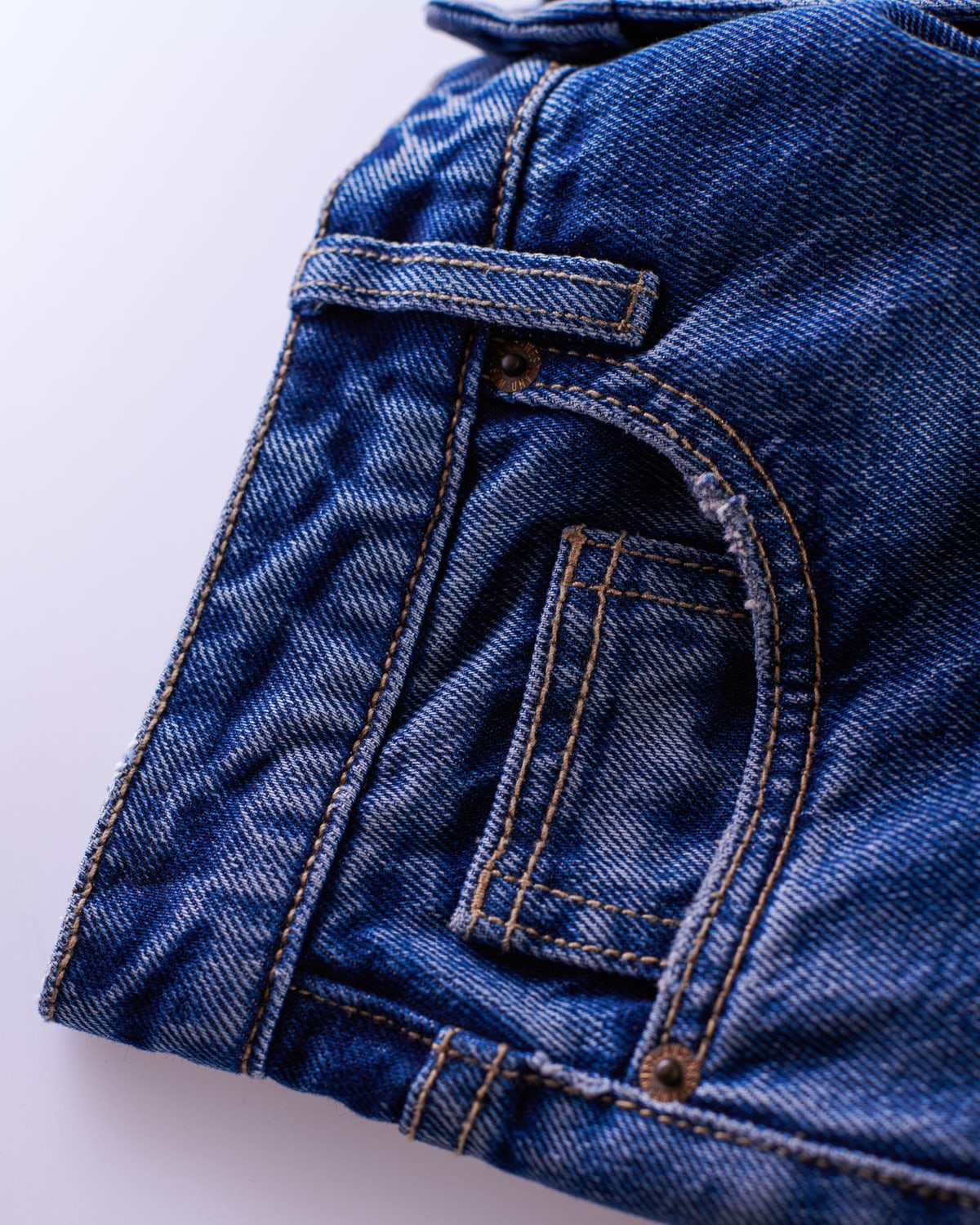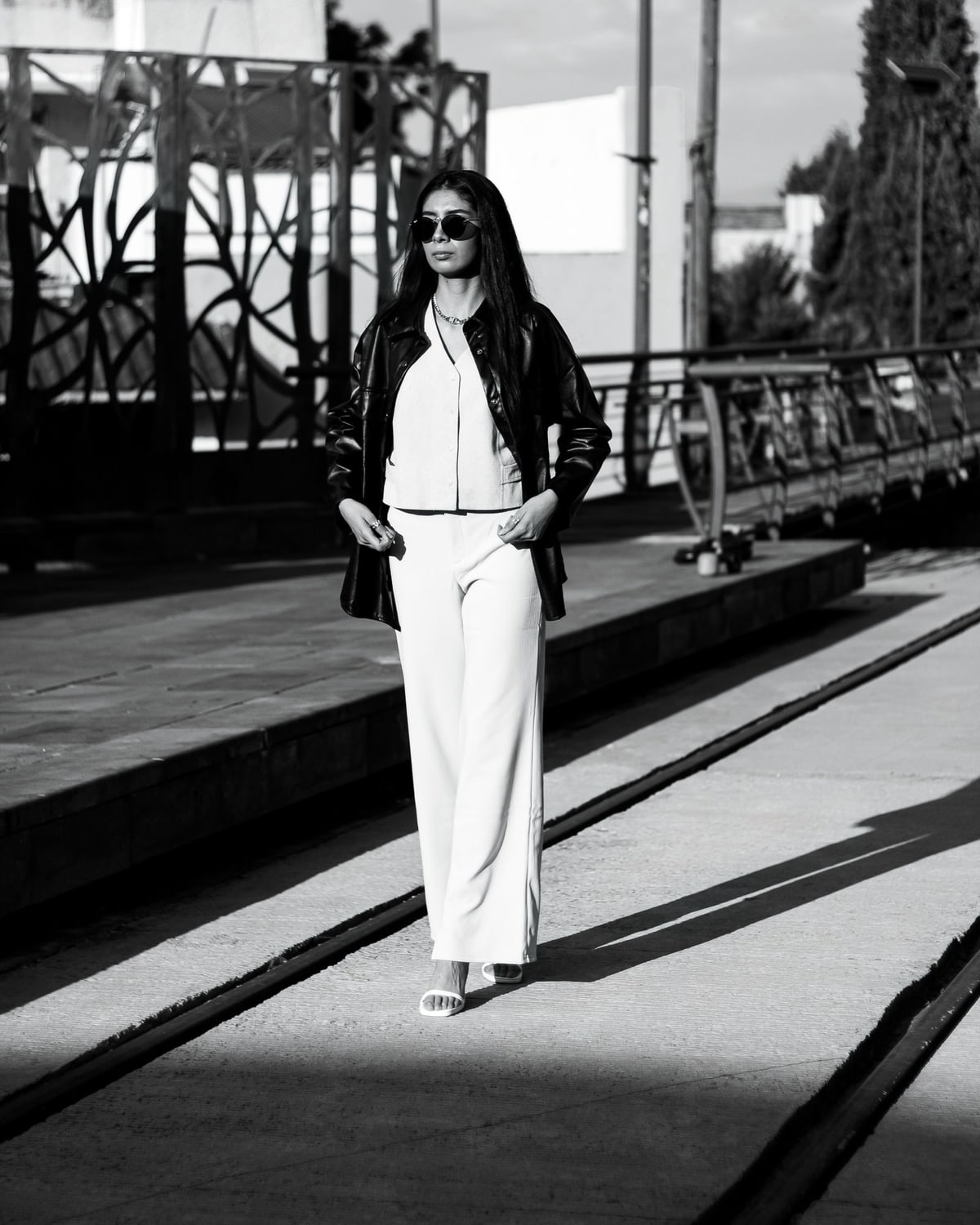

White jeans should be judged in motion. Check pocket depth, fabric opacity, waist security, thigh room, and whether the denim shows every seam underneath, then picture the full day around a warm weekend lunch where white jeans need to work with a linen shirt and a relaxed shoe: the walking, sitting, temperature changes, and the point when the outfit needs to feel as good as it looked at the start.
The advice below is for women who want bright denim for spring and summer without constant anxiety about fit or marks. It connects fabric behavior and styling to practical decisions, including pair with a tonal cream shirt, a striped top, or a dark blazer to create contrast without making the jeans feel precious, care, and whether the piece fills a real gap in the wardrobe.
We do not assign invented ratings or pretend every reader needs the same silhouette. Compare the tradeoffs against your own proportions and routine, then verify current seller details before buying.
Key takeaways
The short version
- Start with fit: pocket depth, fabric opacity, waist security, thigh room, and whether the denim shows every seam underneath.
- Choose fabric for the real routine: heavier cotton, lined pockets, clean off-white tones, and finishes that resist the worst of everyday staining.
- Make sure the piece creates at least three outfits. Start with this formula: pair with a tonal cream shirt, a striped top, or a dark blazer to create contrast without making the jeans feel precious.
- Avoid the common trap: white jeans with thin pockets, tight stretch, or a very bright blue-white cast if those details will keep you from wearing them.
Define the job the denim needs to do
A useful starting point is a warm weekend lunch where white jeans need to work with a linen shirt and a relaxed shoe. Picture the time of day, the amount of walking, the temperature, and the parts of the event or routine that cannot be changed. The goal is to make the clothes feel like support for the day rather than one more thing to manage.
For women who want bright denim for spring and summer without constant anxiety about fit or marks, the question is not simply whether the item looks attractive on its own. It has to make the rest of the outfit easier: the shoes, the layers, the bag, and the small decisions that otherwise consume time before leaving the house.
Write down two non-negotiables before looking at options. One might be comfort; the other might be the ability to wear a preferred undergarment, fit a specific shoe, or layer over a top you already own. Constraints improve the shortlist instead of limiting it.
The right white jeans should still feel relevant when the trend conversation moves on. That usually comes from proportion, finish, and how easily it combines with the wardrobe rather than from a single attention-grabbing detail.
- Define the setting: a warm weekend lunch where white jeans need to work with a linen shirt and a relaxed shoe.
- Name the fit priority: pocket depth, fabric opacity, waist security, thigh room, and whether the denim shows every seam underneath.
- Decide what would make you return the item immediately.
Fit begins with rise and proportion
Pocket depth, fabric opacity, waist security, thigh room, and whether the denim shows every seam underneath. That detail is easy to dismiss in a thumbnail, but it becomes obvious in movement, under changing light, and after a full day of wear. The goal is not to follow every trend, but to make the next choice easier to live with. Use it as a filter rather than a reason to overcomplicate the purchase.
Measure rather than guess when shopping online. Compare a garment that already works with the retailer's size chart, and pay attention to the shoulder, bust, waist, hip, rise, inseam, or shoe width that matters for this category. A single measurement can explain why two similar items behave completely differently.
Test movement, not only appearance. Sit down, reach forward, climb a stair, or walk across the room. The point is not to create an impossible standard; it is to notice the places where pull, slipping, pinching, or excess fabric will become irritating once the tags are removed.
If the fit is almost right, decide whether an alteration is realistic. A simple hem or waist adjustment can be worthwhile, while a complicated shoulder, lining, or pattern change usually suggests that another size or silhouette is the better answer.
Textile behavior matters as much as size
Heavier cotton, lined pockets, clean off-white tones, and finishes that resist the worst of everyday staining. The useful way to interpret this is through comfort and upkeep: decide what you want the piece to make easier, then remove options that introduce extra work. A clear tradeoff is more valuable than a perfect-sounding feature list.
Read the fiber content with the season in mind. Natural fibers can breathe beautifully but may wrinkle or require careful care. Blends can improve recovery and reduce maintenance, so the better choice is the one that supports how you actually live.
Look at opacity, lining, weight, and stretch. A fabric that feels substantial in the hand may be easier to wear, while a delicate material can require specific undergarments, careful laundering, or a shorter lifespan. None of those outcomes is automatically wrong; they simply need to be anticipated.
Construction details also change the experience. Seams that twist, weak closures, uneven pattern placement, and a lining that does not lie flat are practical reasons to keep looking. A clean interior is often a better signal than a decorative exterior.
- Check the fabric in daylight and under indoor lighting.
- Read whether the material needs special washing, pressing, or storage.
- Confirm that the construction supports the way the piece will be worn.
Plan the outfit around shoes and tops
A strong styling plan begins with the complete outfit. Pair with a tonal cream shirt, a striped top, or a dark blazer to create contrast without making the jeans feel precious. Once the base works, add accessories that repeat a color, texture, or proportion rather than introducing a separate idea.
Build at least three combinations before buying. One can be the obvious use case, one can be a slightly more casual version, and one can be a dressier direction for the same piece. If you cannot imagine those combinations with items already in your closet, the purchase may be solving a problem that does not exist.
Use shoes to set the formality. A change from a sneaker to a loafer, ankle boot, or refined flat can shift the entire outfit without requiring a different garment. Check the hem against those shoes because a small change in height alters where the line lands.
Accessories should support the silhouette. A structured bag and simple jewelry can make a relaxed piece feel more considered, while a soft tote and lighter shoes can make a polished piece feel easier. The aim is balance, not adding more.
- pair with a tonal cream shirt, a striped top, or a dark blazer to create contrast without making the jeans feel precious
- Create one casual outfit, one polished outfit, and one travel or event variation.
- Repeat a color from the garment in the bag, shoe, scarf, or jewelry.
A better way to shop denim online
Look at the fabric in bright light, sit down, check pocket show-through, and read the care label before buying. This is the kind of practical detail that separates a lucky find from a repeat purchase. The difference between a good purchase and a frustrating one usually appears in the ordinary details. Check it against your climate, schedule, and storage rather than a generic idea of what looks good.
Compare the return policy before the discount. A lower price is not useful if the fit is uncertain and exchanges are expensive or impossible. Keep the original packaging and review the item promptly so there is enough time to make a clear decision.
Read current garment details from the retailer and use the manufacturer's size guide where available. Measurements, compositions, and availability can change, so verify the exact item rather than relying on an older guide or a cached description.
Treat the commercial link as a starting point, not a recommendation of one specific style. The goal is to compare options that share the right qualities: fit, function, fabric, care, and a realistic place in the wardrobe.
- Confirm current measurements, fiber content, and care instructions.
- Check the return window, shipping cost, and final-sale rules.
- Compare at least two price points before deciding that more expensive means better.
What to skip and how to care for the pair
White jeans with thin pockets, tight stretch, or a very bright blue-white cast if those details will keep you from wearing them. This is often the fastest way to avoid a disappointing purchase, especially when the item is exciting at first glance but difficult to style or maintain.
Think about care before the first wear. A piece that needs frequent dry cleaning, delicate hand washing, or perfect weather may still be valuable, but it should match your routine rather than become a hidden cost.
Store the item in a way that protects its shape and finish. Fold knits, use broad hangers for structured pieces, keep shoes dry and supported, and give accessories their own space. Small habits make the difference between a purchase that lasts and one that looks tired after a few wears.
Finally, judge the purchase by repeat wear. A versatile item can be modest, quiet, and less dramatic than the trend of the moment and still be the correct choice. If it solves a real outfit problem three times in the first month, it is already doing more than a more impressive piece that stays in the closet.
The best purchase is the one whose tradeoffs you can name and accept before checkout. Let the real setting, fit, fabric, and care routine decide what belongs in the wardrobe.
Scenario-led shortlist
Three style directions to compare
These are editorial style directions, not invented fit tests. Use the labels to match a direction to your wardrobe, then verify current sizing, composition, and offers with the seller.
Best for the specific fit
A balanced option for white jeans
Start with options that make pocket depth, fabric opacity, waist security, thigh room, and whether the denim shows every seam underneath a priority rather than treating a trend detail as the main feature. This direction is for the reader who wants a piece to work immediately with several outfits.Best for
- women who want bright denim for spring and summer without constant anxiety about fit or marks
- Buyers who want a dependable everyday option
- Shoppers comparing several mainstream styles
Look for
- Fit priorities: pocket depth, fabric opacity, waist security, thigh room, and whether the denim shows every seam underneath
- A silhouette that works with the shoes and layers already owned
- Return terms and sizing information that are easy to verify
Considered wardrobe upgrade
A setting-specific option for white jeans
Choose this direction when the scene matters most and the outfit has to solve a specific problem. Start with this formula: Pair with a tonal cream shirt, a striped top, or a dark blazer to create contrast without making the jeans feel precious. The details become more important than collecting every possible feature.Best for
- Readers dressing for a warm weekend lunch where white jeans need to work with a linen shirt and a relaxed shoe
- People who want a clear solution rather than a generic bestseller
- Shoppers willing to take a little more time to compare proportions
Look for
- A shape that supports the intended setting
- Material notes: heavier cotton, lined pockets, clean off-white tones, and finishes that resist the worst of everyday staining
- Comfort details that matter after the first hour
Everyday foundation
A refined wardrobe upgrade for white jeans
Consider the higher-quality direction only when you know the base silhouette works and a better finish would solve a recurring frustration. Look at the fabric in bright light, sit down, check pocket show-through, and read the care label before buying.Best for
- Readers replacing a well-used favorite
- People who value better recovery, finish, or care
- Shoppers with a clear gap rather than a curiosity
Look for
- A more considered approach to heavier cotton, lined pockets, clean off-white tones, and finishes that resist the worst of everyday staining
- Construction details that support repeat wear
- A care path that fits your actual routine
Common questions
FAQ: Best White Jeans for Women
What is the first fit detail to check in white jeans?
Start with pocket depth, fabric opacity, waist security, thigh room, and whether the denim shows every seam underneath. Check the garment in motion, then compare the same measurements with a piece you already wear.
Which fabric details matter most for white jeans?
Heavier cotton, lined pockets, clean off-white tones, and finishes that resist the worst of everyday staining. Also review opacity, lining, care requirements, and whether the material supports the temperature and routine where it will be worn.
How should I style white jeans after buying?
Begin with this formula: pair with a tonal cream shirt, a striped top, or a dark blazer to create contrast without making the jeans feel precious. Then build a more casual version and a dressier alternative before removing tags or making an alteration.
What mistake should I avoid when shopping for white jeans?
White jeans with thin pockets, tight stretch, or a very bright blue-white cast if those details will keep you from wearing them. Before checkout, look at the fabric in bright light, sit down, check pocket show-through, and read the care label before buying, and confirm the return terms for the exact seller.